
Class B vs Class N Autoclaves: What EN 13060 Actually Requires
A class B autoclave is designed for the broadest load range under EN 13060, including wrapped instruments, porous loads and hollow instruments. Class N equipment is limited to unwrapped solid instruments, while Class S depends on the load types defined and validated by its manufacturer; therefore, the clinic's instrument mix should determine the class selected.
What EN 13060 covers
EN 13060 is the European standard for small steam sterilizers. It classifies sterilization cycles according to the types of medical devices they are designed to process and the air-removal method used. The class is not simply a statement about chamber size, pressure or temperature; it describes the intended load capability of the sterilizer and its validated cycle design.
The three commonly discussed classes are B, N and S. Buyers should read the class together with the intended-use instructions, cycle descriptions and load restrictions supplied for the equipment. EN 13060 should also be considered alongside EN ISO 17665, which addresses the development, validation and routine control of moist-heat sterilization processes.
- Treat the class as a load-capability designation, not as a general ranking of sterilizer quality.
- Confirm local medical-device, infection-control and workplace requirements before placing equipment into service.
| Class | Typical air-removal approach | Load scope |
|---|---|---|
| B | Active air removal, typically by pre-vacuum | Unwrapped and wrapped solid loads, porous loads, and hollow loads when the cycle is designed for them |
| N | Gravity displacement or passive air removal | Unwrapped solid instruments only |
| S | Specified air-removal and drying design | Only the load types stated and supported in the manufacturer's instructions |
Class B autoclave capability and load range
A class B autoclave uses active air removal before steam exposure. Removing air is essential because trapped air can prevent saturated steam from reaching every surface at the required temperature. This is especially important inside lumens, between layers of porous material and within wrapped packs.
Under the usual EN 13060 interpretation, Class B cycles can be designed for nonwrapped solid instruments, wrapped solid instruments, porous loads and hollow instruments. Hollow loads are often divided into Hollow A and Hollow B categories, reflecting different internal geometries and air-removal challenges. The buyer must still verify that the selected cycle and accessories cover the specific instruments used in the clinic.
Class B does not mean that every possible load can be placed together in every cycle. Instruments should be prepared, packaged, positioned and loaded according to the instructions for use. Excessive loading, closed containers or unsuitable packaging can interfere with air removal, steam contact and drying even when the sterilizer itself is Class B.
- Wrapped instruments require air removal, steam penetration and drying suitable for the packaging system.
- Hollow instruments require a cycle validated for the relevant hollow-load category.
- Porous loads need appropriate steam penetration and drying control.
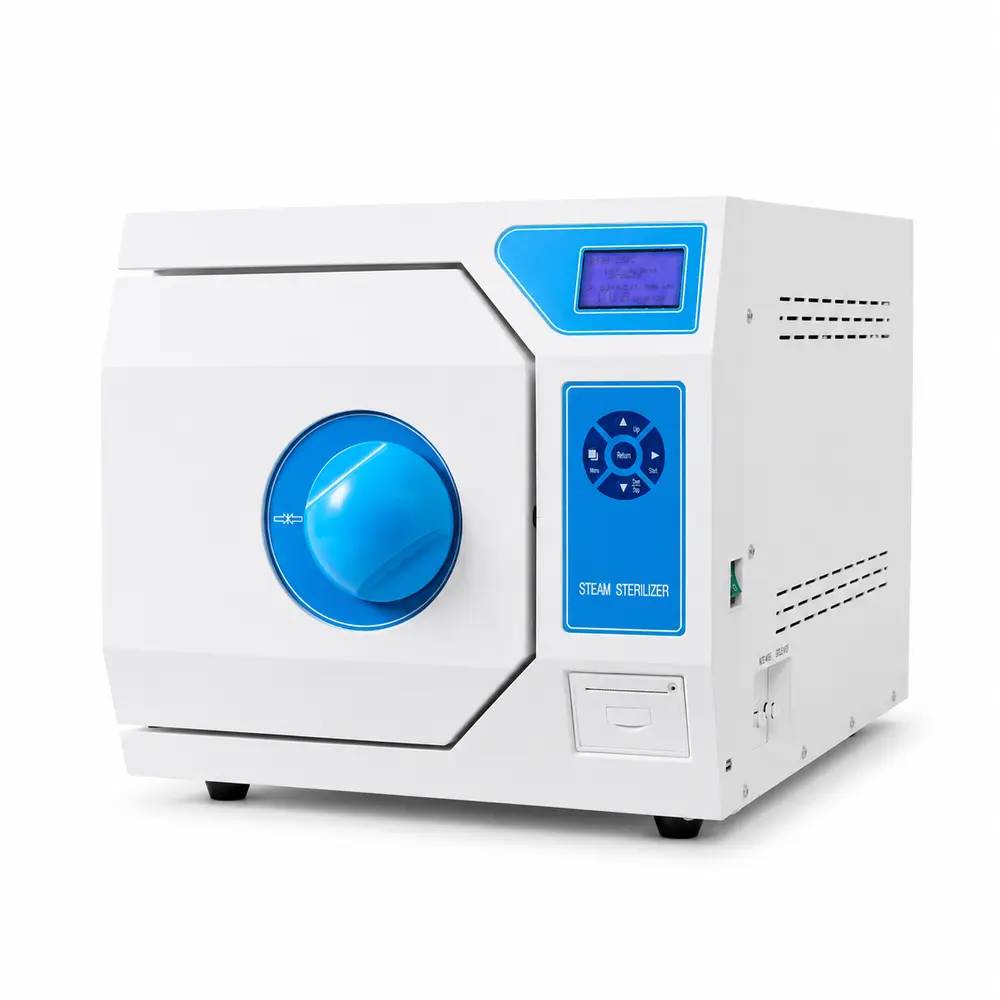
Why a Class N autoclave cannot process wrapped or hollow instruments
Class N equipment is intended for unwrapped solid instruments. Its normal gravity-displacement process allows steam to displace air from the chamber, but it does not provide the active air-removal performance needed to reliably clear air from packaging, porous materials or internal channels. A wrapped pack may therefore contain residual air that blocks steam contact.
For the same reason, a Class N unit cannot be used as a compliant substitute for processing hollow instruments. A lumen can retain air after steam enters the chamber, creating a cold area where the required sterilization conditions may not be achieved. A successful temperature reading in the chamber does not prove that the inside of a hollow device has received the required exposure.
The word legally depends on the jurisdiction, but the compliance principle is clear: a Class N sterilizer must not be used outside its stated EN 13060 load scope or its instructions for use. A clinic that needs wrapped or hollow instruments should select equipment with a suitable validated cycle, rather than attempting to extend a Class N device by changing packaging or cycle settings.
| Load type | Class N suitability | Reason |
|---|---|---|
| Unwrapped solid instruments | Generally intended use | Steam can contact the exposed external surfaces when the load is correctly arranged |
| Wrapped solid instruments | Not suitable | Packaging can retain air and the process does not provide the required active air removal |
| Hollow A or Hollow B instruments | Not suitable | Internal channels can retain air and may not receive effective steam contact |
| Porous materials | Not suitable | Air removal and steam penetration through the load are not assured |
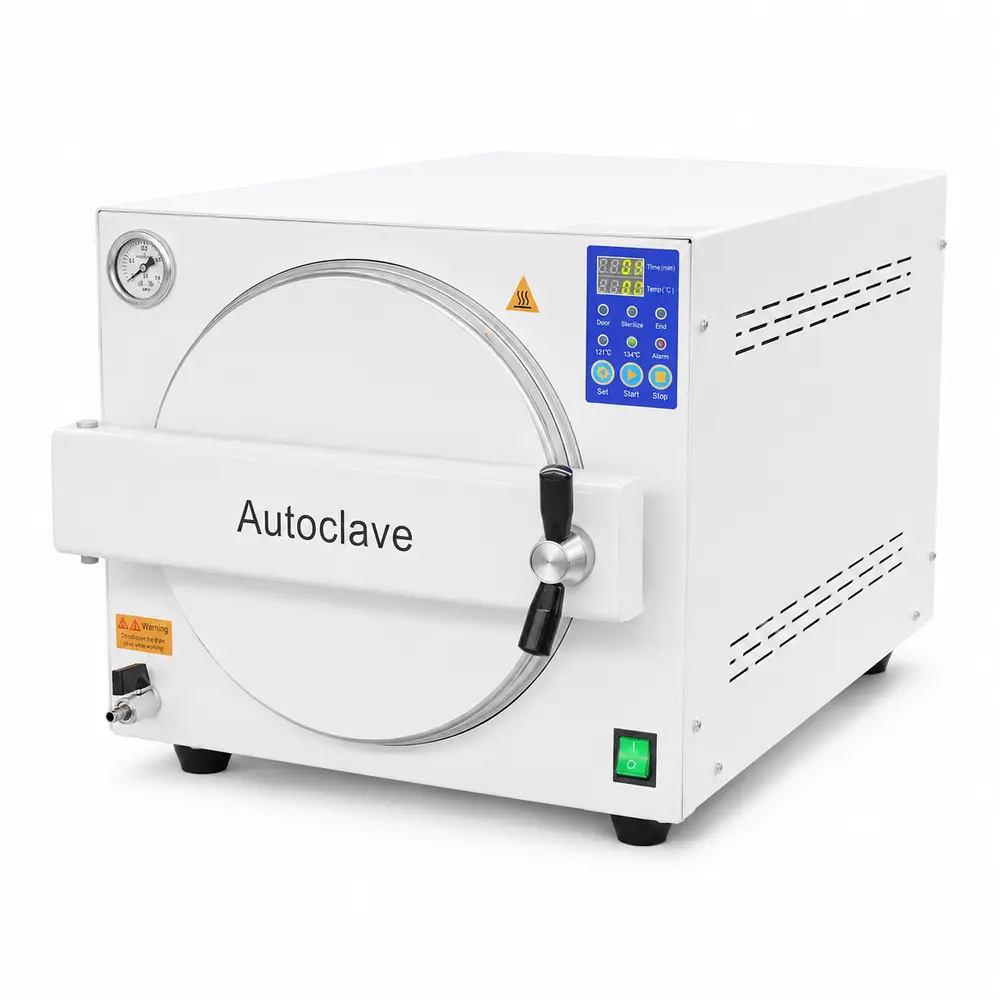
Class S: useful, but only within a defined scope
Class S is not a universal middle option between Class B and Class N. It covers sterilizers whose permitted load types are specified by the manufacturer. Depending on the validated cycle design, the instructions may identify particular solid, wrapped, hollow or porous loads, or may restrict use to a narrower combination.
This means a buyer should never select Class S from the class label alone. Request the load matrix, cycle descriptions and any restrictions for the instruments, packaging and accessories used in the clinic. If the documentation does not explicitly support a load, it should be treated as unsupported until the supplier provides appropriate technical evidence.
Class S can be appropriate where the clinic has a stable, limited load profile and the specified cycle matches it. It is less suitable where the instrument mix changes frequently or where staff need one sterilizer to handle a wide range of wrapped, porous and hollow loads.
- Record the exact instruments and packaging that the clinic needs to sterilize.
- Match each load to a named cycle and the applicable instructions for use.
- Do not infer Class S capability from chamber size, display options or a high stated operating temperature.
How to choose between a Class B autoclave and other classes
Start with the instruments, not the sterilizer catalogue. Ask whether the clinic uses wrapped cassettes, pouches, textile or porous items, dental handpieces, tubing, lumened devices or other hollow instruments. Also consider whether instruments must be stored after sterilization; wrapped, dried packs normally require a different process capability from instruments used immediately.
A dental or outpatient clinic handling only exposed, unwrapped solid instruments may have a suitable use case for Class N, provided its infection-control procedure permits that workflow. A clinic processing packaged instruments, porous materials or hollow devices will generally need a class B autoclave or a Class S unit whose documented scope explicitly covers those loads.
For broader equipment selection, buyers can review the available Benchtop Autoclaves and compare the published load scope, cycle documentation, chamber arrangement and service requirements. A tender specification should state the intended load categories rather than asking for a class name without defining the application.
| Clinic requirement | Preferred direction | Key verification |
|---|---|---|
| Only unwrapped solid instruments used immediately | Class N may be appropriate | Confirm that all instruments are solid and that the workflow does not require wrapped storage |
| Wrapped solid instruments or routine instrument storage | Class B, or documented Class S | Confirm air removal, packaging compatibility and drying performance |
| Hollow instruments or lumened devices | Class B, or documented Class S | Confirm support for the relevant Hollow A or Hollow B category |
| Porous items or mixed clinical loads | Usually Class B | Confirm cycle scope, load limits, drying and packaging instructions |
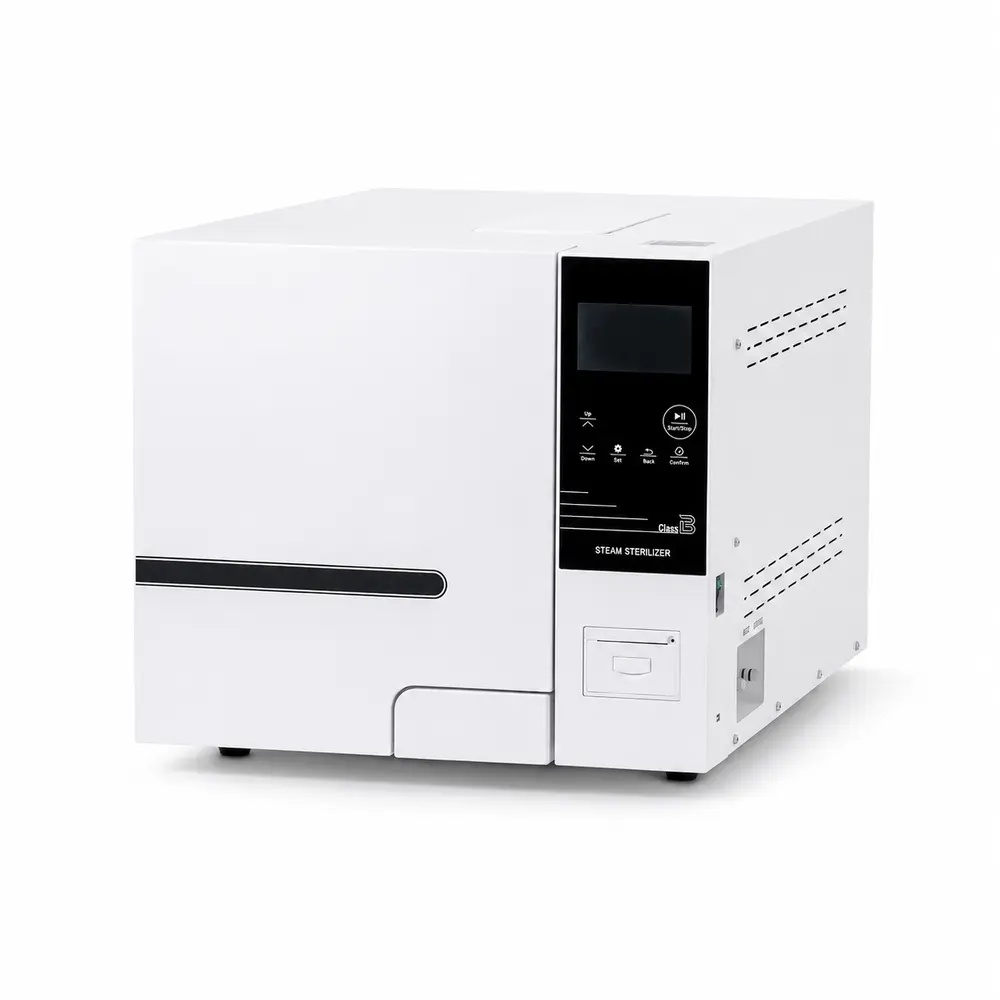
Cycle operation, packaging and routine control
The sterilizer class is only one part of a safe reprocessing system. Cleaning must remove soil before sterilization, instruments must be opened or disassembled as instructed, and the load must be arranged so that steam can contact all required surfaces. Packaging should be compatible with the process and may be considered in relation to EN 868, which addresses packaging materials and systems for terminally sterilized medical devices.
Operators should follow the cycle selection, loading limits, water-quality requirements, drying instructions and release criteria provided for the equipment. Physical cycle records, chemical indicators and biological indicators may be used within a risk-based quality system, but the exact monitoring programme should be established by the responsible infection-control or quality team.
Routine records should identify the cycle, operator, load and release decision. If a pack is wet, damaged, incorrectly positioned or otherwise compromised, it should not be treated as sterile merely because the cycle completed.
- Use packaging and indicators suitable for the intended steam process.
- Separate clean preparation areas from contaminated handling areas.
- Investigate failed indicators, wet loads, alarms and abnormal cycle records before release.
Questions to put in a tender or supplier review
A useful specification asks the supplier to state which load types are supported and which cycles are intended for them. It should request clear instructions for wrapped, unwrapped, porous and hollow loads, including any restrictions on lumen dimensions, packaging, containers, maximum loading or drying.
The review should also cover installation conditions, operator training, maintenance access, consumables, record export and service arrangements. For international procurement, clarify who provides technical documentation, spare-parts support and application guidance in the destination market. The autoclave FAQ can help with preliminary questions, while detailed load and project information can be sent to our export team.
Do not accept a generic statement such as suitable for medical instruments as proof of Class B, Class N or Class S capability. Ask for the relevant technical documents and compare them directly with the clinic's instrument inventory and reprocessing procedure.
| Request | Why it matters | Buyer action |
|---|---|---|
| Load and cycle matrix | Shows which load categories each cycle supports | Match it to the actual instrument inventory |
| Instructions for use | Defines loading, packaging, operation and restrictions | Review it with the CSSD or infection-control lead |
| Validation and routine-monitoring guidance | Explains how process performance is checked | Align it with the site's quality system and local requirements |
| Installation and maintenance requirements | Affects uptime, safety and total operating responsibility | Confirm utilities, training and service capability before tender award |
Key points
- EN 13060 Class N is intended for unwrapped solid instruments only.
- A class B autoclave is designed for a broader range including wrapped, porous and hollow loads when the relevant cycles support them.
- Class S capability is specific to the load types and cycles stated in the manufacturer's instructions.
- A Class N unit should not be used for wrapped or hollow instruments because passive air displacement cannot reliably remove air from packaging or internal channels.
- Choose the sterilizer by listing the clinic's actual instruments, packaging and storage workflow before comparing equipment.
- Tender documents should request load matrices, instructions for use, monitoring guidance and installation requirements.
Frequently asked questions
Can a Class N sterilizer process instruments in sterilization pouches?
No. Class N is intended for unwrapped solid instruments, and a pouch can retain air and obstruct steam contact. Use a cycle whose documented scope supports wrapped instruments.
Is a Class B autoclave always the best choice?
Not necessarily. It is the broadest general class for the load types commonly encountered in clinics, but a buyer should still match the cycle scope, chamber arrangement, workflow and operating requirements to the application.
Can Class S process hollow instruments?
Only if the manufacturer's instructions explicitly identify the relevant hollow-load category and cycle. Class S has no single universal load scope.
What is the difference between Hollow A and Hollow B?
They represent different hollow-load configurations and air-removal challenges defined within the EN 13060 framework. The buyer should use the device's documented classification and cycle instructions rather than relying on a general assumption about lumen suitability.
Does a completed cycle prove that every instrument was sterilized?
No. The cycle record alone does not compensate for incorrect cleaning, overloading, unsuitable packaging or unsupported load types. Sterilizer operation must be combined with correct preparation, loading, monitoring and release procedures.
Discussing a specific project?
Send the load type, throughput and destination country. The export team replies with the models that fit and the documents you will need.
Contact the export teamSee Benchtop Autoclaves