
Bowie-Dick and Vacuum Leak Tests: What Buyers Should Require
A bowie dick test demonstrates that a pre-vacuum steam sterilizer can remove air and allow saturated steam to penetrate a standard test load. A vacuum leak test checks whether the chamber and connected vacuum system remain sufficiently airtight; EN 285 generally places the steam penetration test daily and the air leakage test weekly, subject to local procedures.
What the bowie dick test proves
The bowie dick test is a daily steam penetration test for a pre-vacuum sterilizer. Its purpose is to challenge the complete air-removal and steam-distribution process using a defined test pack or an equivalent validated system. A passing result indicates that the sterilizer created the required pressure changes and that steam reached the test indicator under the specified test conditions.
It does not prove that every future load will be sterile, nor does it replace load-specific monitoring, physical cycle records, chemical indicators and biological indicators where required by the facility. It is a process challenge for air removal and steam penetration, not a product release test for every instrument set.
- It can reveal residual air, non-condensable gases or inadequate steam contact.
- It can expose poor air removal caused by a vacuum-system, valve, drain or control problem.
- It must be interpreted with the test system instructions and the applicable quality procedure.
What the vacuum leak test proves
The vacuum leak test checks whether air enters the sterilizer chamber during a controlled vacuum-holding period. The test is concerned with the airtight integrity of the chamber, door seal, pipework, valves and vacuum connections. Excessive leakage can dilute saturated steam with air and undermine the air-removal phase.
Under EN 285, the air leakage test is generally expected at least weekly for relevant large steam sterilizers, while the steam penetration test is generally expected daily before routine processing. A healthcare organization may set a more frequent schedule, especially after maintenance, relocation, a failed test or a long period out of service. The buyer should require the supplier to state the applicable test frequency in the operating and preventive-maintenance documentation.
| Test | What it challenges | Typical EN 285 frequency |
|---|---|---|
| Steam penetration test, commonly called the bowie dick test | Air removal and steam penetration through a defined test system | Daily, before routine production loads |
| Air leakage or vacuum leak test | Airtight integrity of the chamber and connected vacuum path | Weekly |
| Load monitoring | The actual sterilization cycle and processed load | Every cycle, according to the facility quality system |
How to interpret a failed bowie dick test
A failed bowie dick test usually means the test system did not receive uniform steam penetration. The mechanical causes may include insufficient vacuum, a leaking door gasket, a malfunctioning air-admission or steam valve, a restricted drain, poor condensate removal, blocked pipework or excessive non-condensable gases in the steam supply. The test pack itself can also be wet, damaged, incorrectly assembled or used outside its instructions.
The result should not be treated as a simple pass-or-fail mystery. Review the cycle printout or electronic record, chamber temperature and pressure relationship, vacuum stages, drain condition and steam supply indications. A repeat failure after a correctly performed test should normally place the sterilizer under investigation rather than being cleared by repeated testing alone.
- Check that the chamber was empty and the test was positioned as required.
- Confirm the test consumable was within its use period and handled correctly.
- Compare the pattern of the indicator with the test system's acceptance criteria.
- Escalate repeated or unexplained failures to qualified service personnel.

How to interpret a failed vacuum leak test
A failed vacuum leak test indicates that the measured pressure rise during the holding period is higher than the permitted limit for the applicable test method. Mechanically, this often points to a worn or contaminated door seal, an imperfect door closure, a leaking valve seat, a loose connection, a damaged hose or a leak at a chamber penetration. A vacuum pump or ejector problem may also prevent the test from reaching or holding the intended vacuum.
The test result does not identify the exact leak location by itself. Buyers should expect a documented troubleshooting method, isolation checks and a service record that identifies the corrective action. If a leak is found after maintenance, the sterilizer should be retested before routine processing resumes.
| Observed problem | Possible mechanical area | Buyer should request |
|---|---|---|
| Bowie dick test shows uneven or incomplete penetration | Vacuum system, valves, drain, steam quality or test setup | Cycle record review and documented root-cause investigation |
| Vacuum leak test shows excessive pressure rise | Door seal, chamber fittings, valves, pipework or vacuum equipment | Leak-location procedure and repeat test after repair |
| Both tests fail repeatedly | Shared vacuum, drain, control or steam-supply condition | Escalation procedure, service report and release criteria |
What buyers should require before signing
The tender specification should require the sterilizer to support the routine tests that match its intended cycle technology and applicable standard. For a pre-vacuum hospital sterilizer, ask for a defined steam penetration test cycle, a defined air leakage or vacuum leak test cycle, automatic recording of relevant parameters and a clear way to identify the operator, date, cycle and result.
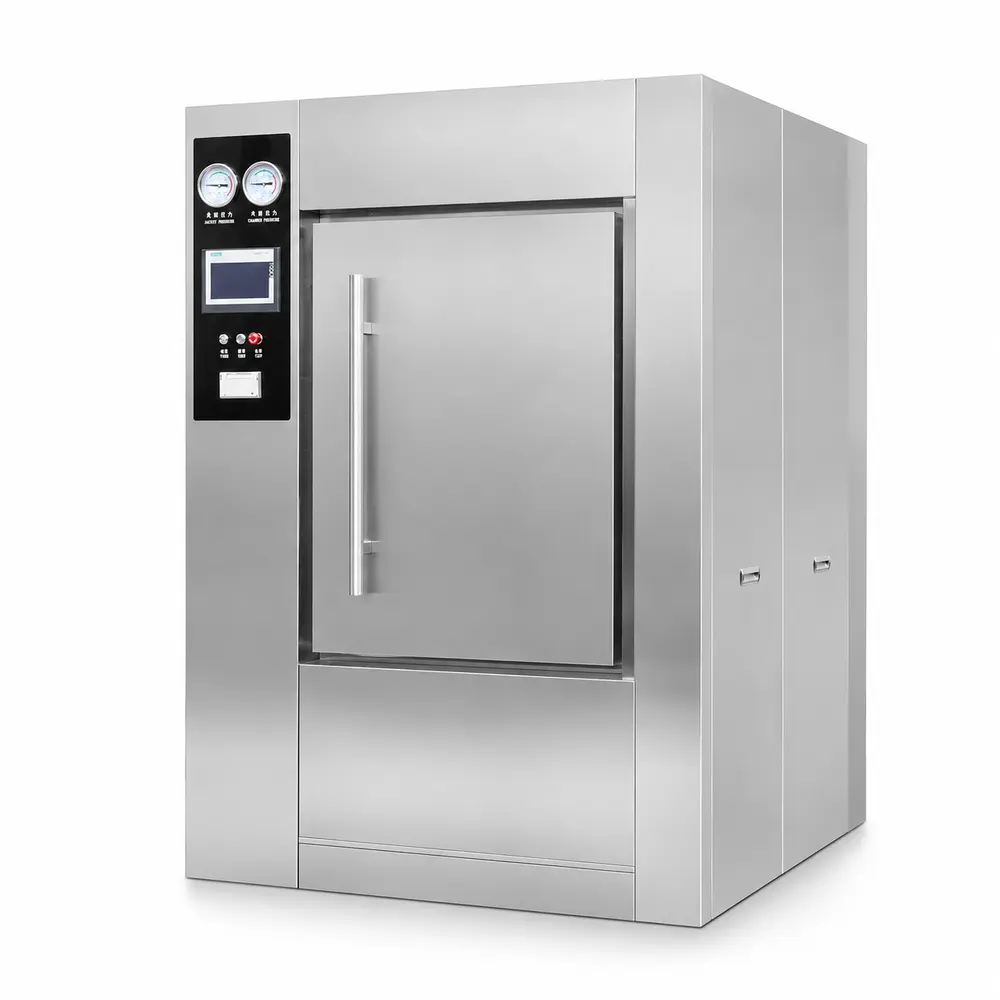
Do not accept a general statement that the machine is suitable for routine testing. Ask for the proposed test procedure, acceptance criteria, record format, consumable requirements and service response process. The Horizontal Autoclaves range can be reviewed as a starting point for comparing chamber configurations and intended applications, but the tender should remain performance-based.
- Test cycles selectable from the operator interface without unsafe workarounds.
- Cycle records showing time, pressure, temperature and test identification.
- A printer, digital export or validated record-management interface appropriate to the facility.
- Door, valve, drain and vacuum-system diagnostics that support fault finding.
- Documented procedures for failed tests, quarantine and return to service.
- Access for inspection and replacement of seals, filters, valves and other service parts.
Technical questions for the tender committee
The most useful questions are precise and testable. Ask which standard or internal procedure defines each test, whether the procedure applies to the selected chamber and cycle design, and which parameters are automatically captured. EN 285 is relevant to large steam sterilizers, while EN 13060 addresses small steam sterilizers; EN ISO 17665 provides a framework for developing, validating and routinely controlling moist-heat sterilization processes. EN 868 is relevant to packaging materials and systems.
Also ask how the sterilizer responds to an unsuccessful test. A suitable control strategy should prevent ambiguous release decisions, preserve the failed record, guide the operator to the next action and require authorized confirmation before normal production resumes. The supplier's autoclave FAQ may answer general operating questions, but tender documents should contain the exact contractual requirements.
| Topic | Question to ask | Evidence to request |
|---|---|---|
| Routine testing | Which steam penetration and air leakage test cycles are available? | Cycle descriptions and operating instructions |
| Records | How are pressure, temperature, time and test status captured? | Sample blank record or data-field list |
| Failure handling | What happens when a test fails or a parameter is outside limits? | Alarm logic, procedure and example service workflow |
| Maintenance | Which components commonly affect vacuum integrity and penetration? | Preventive-maintenance schedule and inspection checklist |

Installation, operation and service controls
Test performance depends on more than the chamber. The installation should provide suitable utilities, correct drainage, appropriate steam quality and the required ventilation or cooling arrangements. Poor utility conditions can create symptoms that resemble a sterilizer fault, so the buyer should define site responsibilities, commissioning checks and utility acceptance criteria before delivery.
Operators should be trained to run the correct test, position the test system properly, review the result and record the disposition of the sterilizer. Maintenance staff should have access to diagrams, parts identification, calibration and verification procedures, and a method for checking door seals, drains, valves and vacuum equipment. For application-specific questions, buyers can contact our export team with the intended load types, chamber class and local regulatory context.
Key points
- A bowie dick test demonstrates air removal and steam penetration; it does not release every processed load by itself.
- A vacuum leak test checks chamber and vacuum-path integrity, with EN 285 generally expecting it weekly for applicable large steam sterilizers.
- Repeated failures should trigger mechanical investigation rather than repeated testing without diagnosis.
- Buyers should require dedicated test cycles, complete records, clear alarms and documented return-to-service procedures.
- Tender specifications should address utilities, maintenance access, operator training and evidence of test performance.
Frequently asked questions
Is the bowie dick test the same as a vacuum leak test?
No. The bowie dick test challenges air removal and steam penetration through a defined test system. The vacuum leak test checks whether air enters the evacuated chamber during a controlled holding period.
How often does EN 285 expect these tests?
For applicable large steam sterilizers, EN 285 generally places the steam penetration test daily and the air leakage test weekly. Local rules, facility procedures or risk assessments may require more frequent testing.
Can a failed bowie dick test be caused by the test pack?
Yes. Incorrect assembly, moisture, damage, poor storage or an expired test consumable can produce an invalid or failed result. The operator should first confirm the test setup, then investigate the sterilizer if the result remains unacceptable.
What should happen after a failed vacuum leak test?
The result should be recorded and the sterilizer should be assessed under the facility's failed-test procedure. Service personnel should investigate likely leaks or vacuum faults, complete corrective work and repeat the test before routine processing is authorized.
Should the buyer require automatic test records?
Yes. Automatic records reduce transcription errors and help link the test to the operator, date, cycle parameters and disposition. The tender should define the required data, retention method, export format and protection against unauthorized alteration.
Discussing a specific project?
Send the load type, throughput and destination country. The export team replies with the models that fit and the documents you will need.
Contact the export teamSee Horizontal Autoclaves