
Dental Autoclave Buying Guide for Clinics and Distributors
The right dental autoclave depends on the instruments being processed, the number of chairs, and the required turnaround between patients. Most clinics should evaluate sterilization class, usable chamber capacity, cycle throughput, drying, water quality, documentation and service support together rather than choosing by chamber size alone.
Start with the dental practice workflow
A dental practice should begin by mapping instrument flow from treatment room to cleaning, inspection, packaging, sterilization and storage. Count instrument sets used during the busiest period, not only the daily average. A clinic with several chairs may need more capacity, a second unit or a defined instrument rotation system even when each individual cycle is relatively small.
Distributors should collect the same information before recommending equipment: number of chairs, procedures performed, load types, packaging practice, available bench space, power supply, water quality, ventilation and local service expectations. This prevents a common purchasing error: selecting a compact unit that appears suitable but cannot process the clinic's wrapped, hollow or porous instruments in its normal workflow.
- List the instruments that must be sterilized, including handpieces, hollow devices, packaged trays and textile or porous items where applicable.
- Measure peak demand between patient appointments, including loading, unloading, inspection and packaging time.
- Confirm who will operate the unit and who will review cycle records.
Which dental autoclave class is appropriate?
For small steam sterilizers, EN 13060 describes load-related performance classes. Class B cycles are generally selected when a practice needs broad capability for wrapped and unwrapped solid loads, hollow instruments and porous loads within the cycle manufacturer's stated limits. Class N cycles are intended for unwrapped solid instruments and are therefore more limited for routine dental workflows involving packaged or hollow devices.
Class S is not a universal substitute for Class B. Its permitted load types are defined by the equipment manufacturer and must be checked against the instruments and packaging used by the clinic. Buyers should request the operating manual, load instructions and validation guidance, then confirm that the intended cycles are suitable under EN ISO 17665 and applicable local requirements.
| Class | Typical application | Key purchasing question |
|---|---|---|
| N | Unwrapped solid instruments for immediate use where permitted | Will the practice ever need wrapped, hollow or porous loads? |
| S | Specified load types defined by the manufacturer | Does the documented load range match every intended instrument group? |
| B | Wrapped and unwrapped loads, including applicable hollow and porous loads | Are cycle selection, packaging and drying requirements understood? |
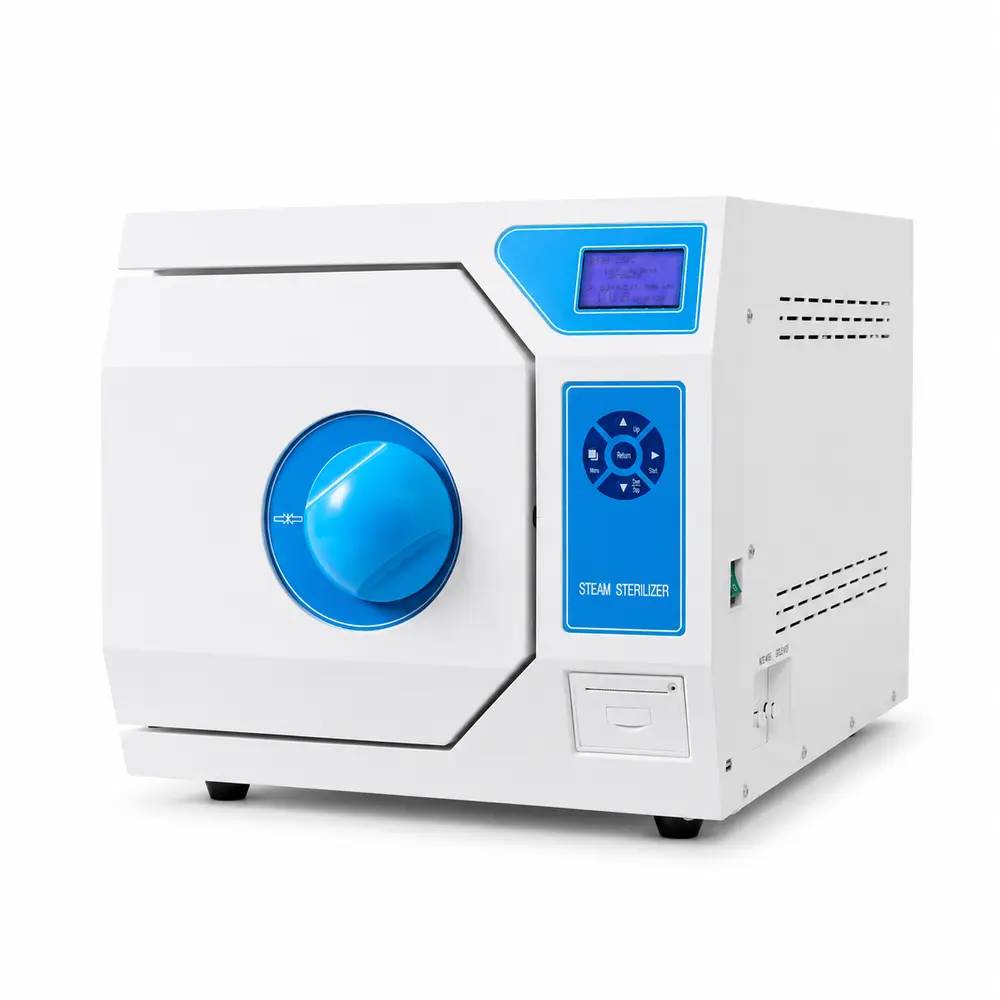
Size the chamber by chair demand, not marketing volume
Chamber volume is only one part of usable capacity. A chamber must accept the clinic's trays, pouches and instrument dimensions without overloading or blocking steam contact. Compare usable loading space, tray arrangement, maximum instrument length and the number of complete sets that can be processed in one validated load.
A useful planning method is to calculate peak instrument sets per hour and compare that requirement with the practical cycle time, including loading, sterilization, drying and unloading. Leave a realistic margin for rejected loads, cooling, cleaning and staff interruptions. A distributor can improve accuracy by requesting photographs or dimensions of the clinic's current instrument trays before proposing a chamber size.
| Input | What to record | Why it matters |
|---|---|---|
| Chair demand | Instrument sets required during the busiest hour | Defines the minimum processing rate |
| Load geometry | Tray dimensions, pouch size, handpiece and hollow-instrument length | Confirms that items fit without crowding |
| Available space | Bench depth, door clearance, ventilation and service access | Prevents installation and maintenance problems |
| Operating margin | Extra capacity for failed, repeated or delayed cycles | Reduces dependence on an ideal daily schedule |
Compare cycle throughput and drying performance
Cycle throughput should be judged from a complete operating sequence, not the displayed sterilization hold time alone. Include preconditioning, heating, exposure, pressure release, drying, door opening, unloading and any time needed for cooling or packaging. A shorter cycle is not automatically better if it cannot process the required load or leaves packages damp.
Drying is especially important for wrapped dental instruments. Residual moisture can compromise package integrity during handling and storage, so buyers should ask how drying is controlled, which load types have been tested, and what loading rules apply. Review the operating instructions rather than comparing cycle names or temperature values in isolation.
- Ask for cycle times by load type, with and without drying where the documentation permits that comparison.
- Check whether the displayed time includes drying and whether the unit shows a clear end-of-cycle status.
- Assess how quickly staff can safely remove, inspect and transfer a completed load.
Water quality, drainage and daily operation
Steam sterilizers normally require water that meets the equipment manufacturer's stated quality limits. Poor water quality can create deposits, affect sensors and valves, stain instruments or increase maintenance. The purchasing specification should therefore state the water source, treatment method, refill procedure and responsibility for routine quality checks.
A clean-water reservoir may suit a small clinic that can refill and drain it correctly, while a plumbed arrangement may better support higher daily use where installation conditions allow. Whichever arrangement is selected, verify drainage, overflow protection, reservoir cleaning, ventilation and access for service. The Benchtop Autoclaves range can be reviewed as part of a broader comparison of compact steam sterilizer formats.
| Area | Question | Acceptance basis |
|---|---|---|
| Feed water | What water quality does the manual require? | Documented limits and a practical supply method |
| Refilling | Who refills the reservoir and how is contamination avoided? | Clear staff procedure and suitable access |
| Drainage | Where will used water and condensate be discharged? | Safe, accessible and locally acceptable connection |
| Maintenance | How are tanks, filters and contact surfaces cleaned? | Defined frequency, tools and responsible person |
Record keeping, monitoring and release decisions
A dental autoclave should support traceable records for every load. At minimum, the clinic needs the date, cycle identification, operator, load description and result, together with a way to identify any chemical or biological monitoring used under its quality system. Electronic storage, printing or export can reduce transcription work, but the record must remain readable, retrievable and protected from inappropriate alteration.
Monitoring does not replace correct loading, packaging, cleaning or maintenance. Staff should know which indicators and tests are required by local policy, how to respond to an alarm or failed indicator, and who is authorized to release a load. EN ISO 17665 provides a framework for developing, validating and routinely controlling moist-heat sterilization processes; local regulations and facility procedures still determine implementation.
- Confirm whether records can be exported, printed or linked to the clinic's traceability process.
- Check alarm messages, user access controls, date and time settings, and data retention.
- Define a documented response for wet packs, failed indicators, interrupted cycles and maintenance alarms.
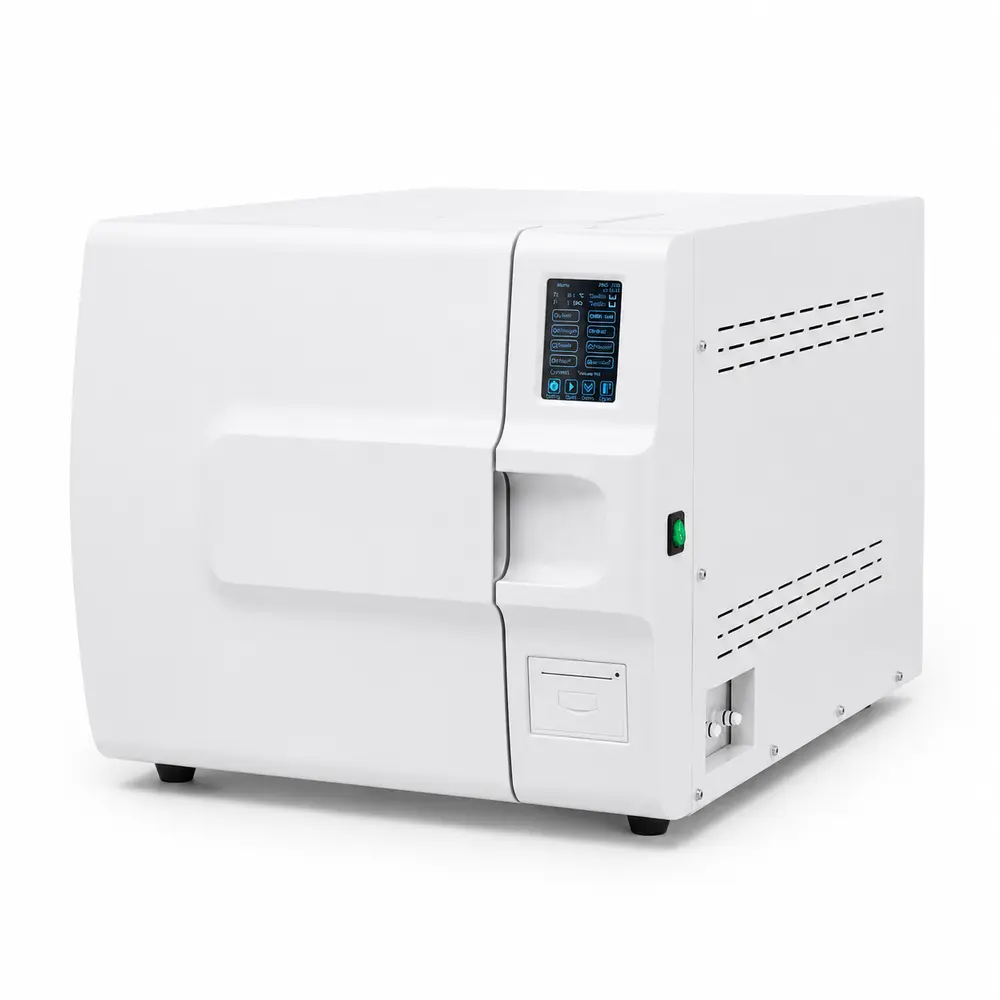
Buying guidance for clinics and distributors
Clinics should compare the total workflow, not just the purchase specification. Request a demonstration using representative trays and packaging, review the manual before ordering, and confirm installation requirements, operator training, preventive maintenance and spare-parts support. A practical acceptance checklist should cover cycle selection, drying, water handling, records, alarms and cleaning access.
Distributors should qualify the application before quoting and keep a written record of the customer's load types and throughput target. They should explain which claims are general engineering guidance and which statements require verification from the specific technical file. For questions about application matching, documentation or export coordination, contact our export team. The autoclave FAQ can also help buyers prepare technical questions before a tender or site survey.
| Topic | Clinic should confirm | Distributor should provide |
|---|---|---|
| Load suitability | All intended instruments and packaging types | Documented cycle and load limitations |
| Throughput | Required sets during peak periods | Cycle timing by relevant load category |
| Installation | Space, utilities, drainage and electrical conditions | Installation drawings and site requirements |
| Service | Maintenance responsibility and escalation route | Training, maintenance guidance and support process |
| Documentation | Record retention and release procedure | Manuals, logs and monitoring guidance |
Key points
- Select the sterilization class from the instruments and packaging actually used, not from chair count alone.
- Calculate capacity using peak instrument demand, usable chamber space and complete cycle time.
- Treat drying, water quality and drainage as core purchasing requirements.
- Require traceable cycle records and clear procedures for failed or interrupted loads.
- Distributors should verify load suitability, installation conditions, training and service support before recommending a unit.
Frequently asked questions
Is a Class B sterilizer always required in a dental clinic?
Not always, but Class B is commonly considered when the practice processes wrapped, hollow or porous loads within the documented cycle limits. Class N equipment is more restricted to unwrapped solid instruments. The correct choice depends on the clinic's actual instruments, packaging and local requirements.
How much chamber volume does each dental chair need?
There is no universal chamber volume per chair because procedure mix, instrument set size and scheduling vary. Calculate peak sets required between patients, then check usable loading space and complete cycle throughput. Include an operating margin for drying, cooling and repeated cycles.
Why is drying important after steam sterilization?
Drying helps protect wrapped instruments and package integrity during handling and storage. A cycle that sterilizes but produces wet packs may not support the clinic's intended workflow. Buyers should compare documented drying performance and loading instructions for representative loads.
Should a small clinic choose a reservoir or a plumbed water system?
Either arrangement may be suitable when it meets the equipment's water-quality, drainage and maintenance requirements. A reservoir can simplify installation, while a plumbed system may reduce manual refilling during higher use. The decision should consider staff procedures, water treatment and service access.
What records should a dental sterilizer keep?
Records should identify the cycle, date, operator, load and result, with associated monitoring information where required by the clinic's quality system. The storage method should make records readable and retrievable for review. Staff also need a defined response to alarms, failed indicators and wet loads.
Discussing a specific project?
Send the load type, throughput and destination country. The export team replies with the models that fit and the documents you will need.
Contact the export teamSee Benchtop Autoclaves